



A Tropical Paradise in Northamptonshire
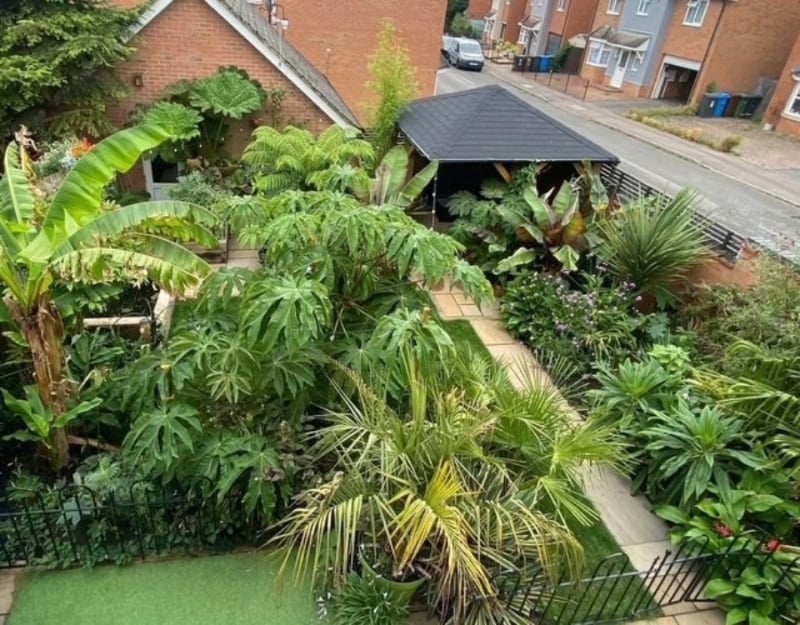
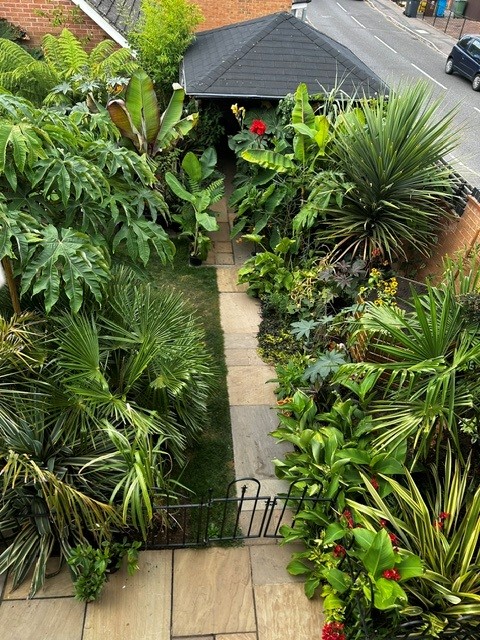
What began with a single tree fern during the first lockdown has developed into Taylor’s Tropicals, a densely planted tropical-style garden packed with unusual foliage, architectural plants and flashes of exotic colour. Owner Steve Taylor tells the story:
“When we moved here in March 2020, the garden was very different. There was an established garden with a large deck, built-in seating and a small wishing-well pond, but during lockdown I began experimenting with plants that could create the feeling of somewhere far more exotic.
“My interest in tropical gardening had been inspired partly by visits to places such as the Eden Project, the Lost Gardens of Heligan and Abbotsbury Subtropical Gardens, as well as trips to Durban in South Africa.”
The first tree fern was soon joined by Musa basjoo bananas, and from there the collection grew rapidly. Today, in a garden of only around 100 square metres, Steve grows an extraordinary range of plants from around the world.
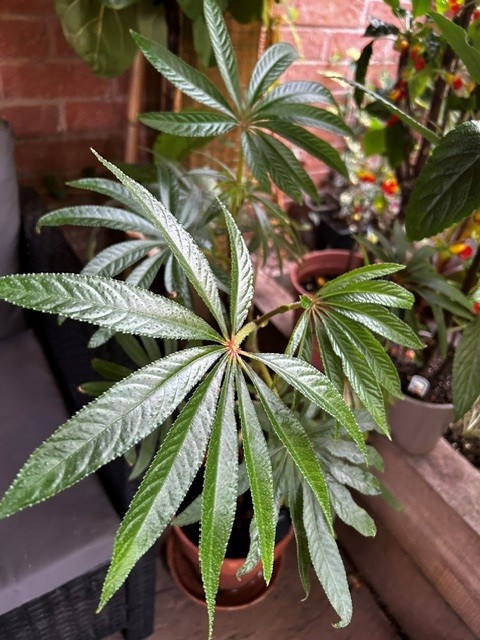
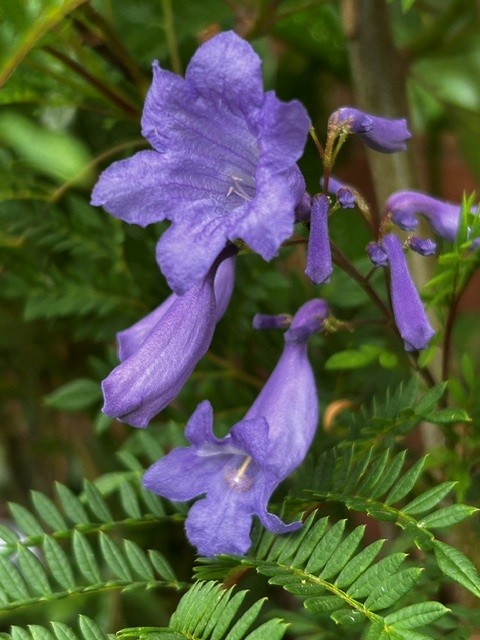
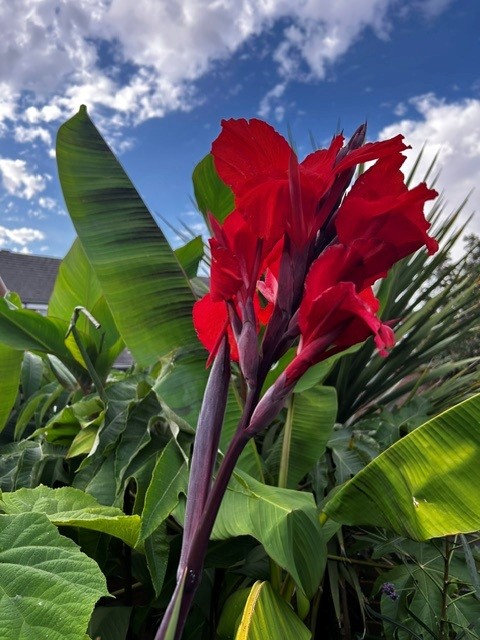
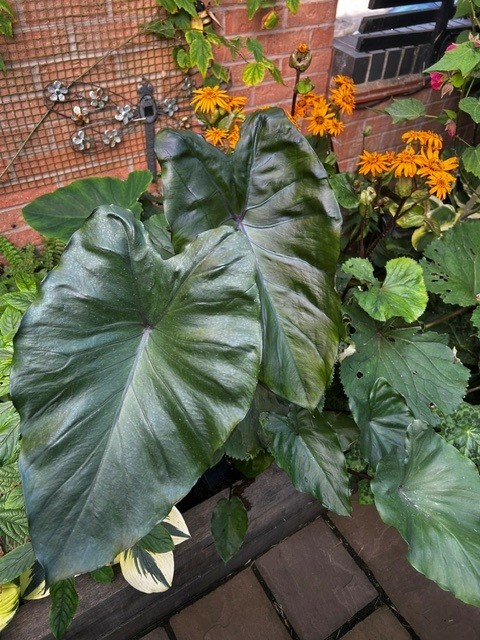
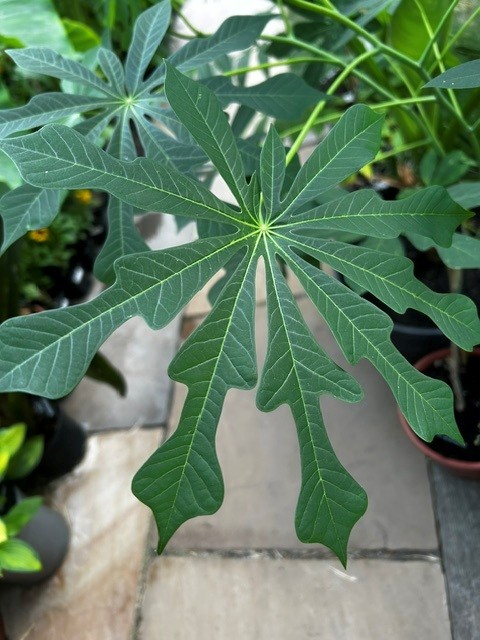
The backbone of the garden comes from large-leaved and architectural plants. Towering Tetrapanax papyrifer ‘Rex’, bananas, Trachycarpus palms, Fatsia, Phormium, bamboo and tree ferns create height and structure. My original Tetrapanax, planted in 2021 as little more than a one-foot stick, has grown to over ten feet tall and has become one of the plants that visitors notice immediately.
“I particularly enjoy experimenting with plants that people might not expect to see growing in a Northamptonshire garden. My collection includes several forms of Fatsia, unusual Pseudopanax and Brassaiopsis, numerous begonias, colocasias, gingers and ferns, together with plants such as Daphniphyllum macropodum, Musschia wollastonii, Nesocodon mauritianus, Fuchsia boliviana and Geranium maderense.
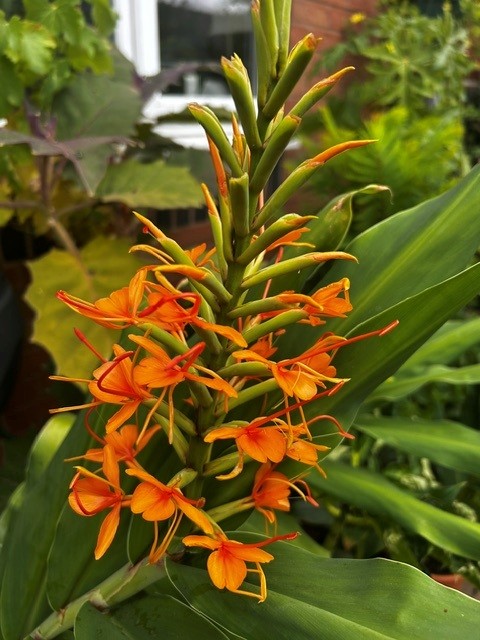
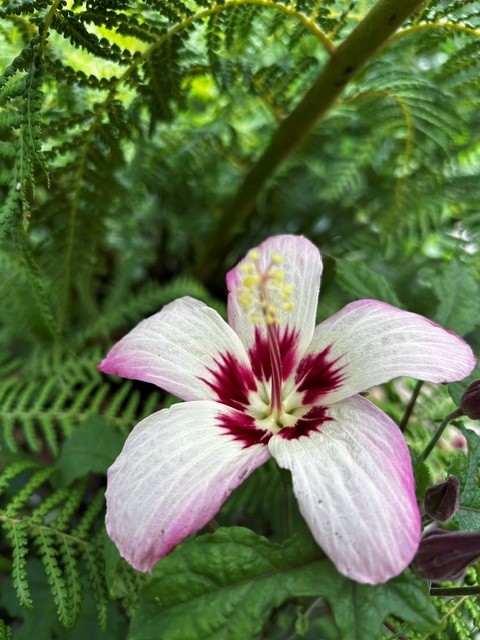
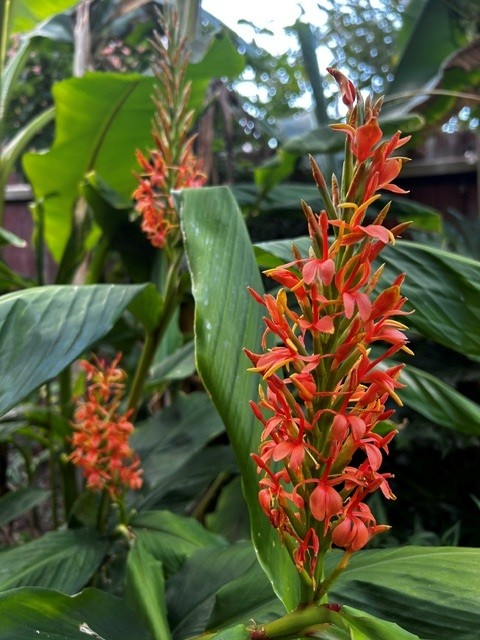
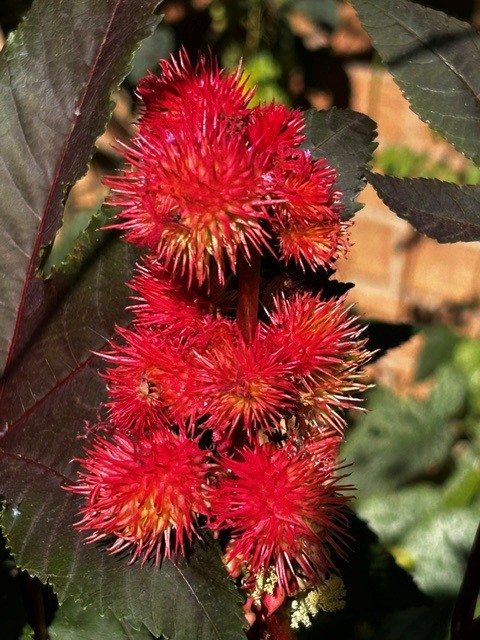
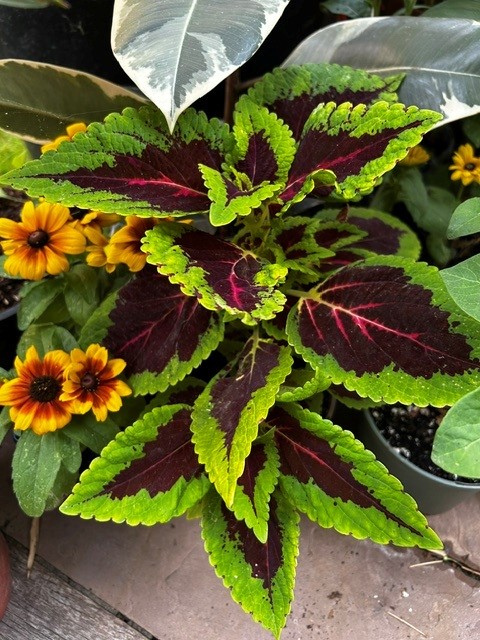
“Foliage is at the heart of the garden. I like combining different leaf shapes, sizes, colours and textures so that the garden feels lush even when relatively little is flowering. Coleus are invaluable summer fillers, while hostas, ferns and ground-cover plants help create layers beneath the larger specimens. Colour then comes from plants including Hedychium, cannas, Hibiscus, Abutilon, brugmansias and annual climbers.”
Growing unusual plants has also led to a fascination with propagation as Steve explains: “I raise many plants from seed, initially using a heated Vitopod propagator before moving seedlings beneath grow lights and eventually into my two greenhouses.”
One particularly satisfying achievement was raising Nesocodon mauritianus from seed and seeing its remarkable flowers appear approximately 18 months later. Steve has also successfully grown and fruited naranjilla (Solanum quitoense) and raised many other unusual species that are rarely encountered in ordinary UK gardens.
“Winter is another part of the challenge,” says Steve. Some plants are lifted and protected, while others remain outside. “My Musa basjoo bananas, for example, are wrapped each winter, while several of my Hedychium gingers remain permanently in the ground with a protective mulch. Learning what will tolerate our climate – and occasionally discovering that a plant is tougher than expected – is part of the enjoyment.
“The garden has brought opportunities that I could never have imagined when I bought that first tree fern. In 2026 Taylor’s Tropicals opened for the National Garden Scheme, welcoming almost 80 visitors. It was immensely rewarding to see people exploring the garden, asking questions and being surprised by just how much could be grown in such a relatively small space.”
The garden has also been featured in the local press and filmed for YouTube, and Steve has also had the privilege of donating unusual plants to the Eden Project’s Rainforest Biome. Visiting the Tregrehan Rare Plant Fair has further fuelled his interest in collecting and growing less familiar species and sharing that enthusiasm with other gardeners.
“For me, however, Taylor’s Tropicals has never simply been about collecting rare plants. It is about creating an atmosphere. I want visitors walking through the gate to momentarily forget that they are in Northamptonshire. The paths disappear between foliage, plants overlap one another and views are deliberately obscured so that the whole garden is never revealed at once.”
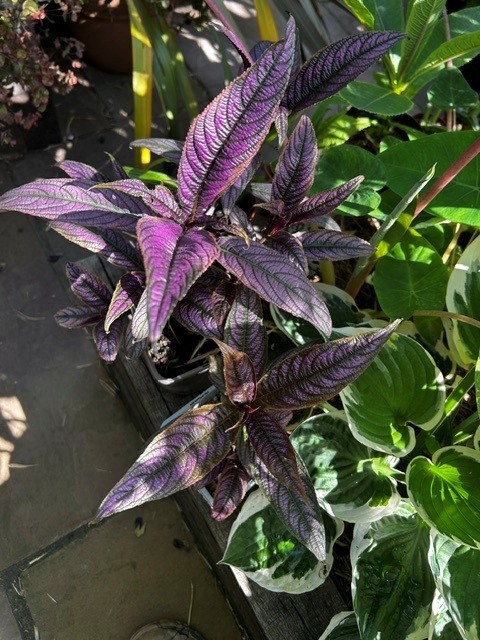
With a scorcher of a summer Steve has struggled, like many, with the watering and maintenance of his beloved plants. “It has certainly been a challenging year with such intense temperatures and it certainly hasn’t been plain sailing. I have lost plants. I have had plants go into flower earlier than they normally would. I have had to cut off many big leaves that have dried out, just to try and keep some sort of green jungly look to it all. The challenge was certainly made more difficult when the hosepipe ban was announced. First thing I did, like many I’m sure, was to go into a bit of a panic. I had already had my National Garden Scheme open day before the ban was announced, so I didn’t have to keep it looking so presentable any more, but I certainly am not planning on losing expensive rare specimens.”
Steve began watering every other day with over 30 watering can fulls of water but soon concentrated on the plants more and to see which ones actually needed watering that often. “There was probably less than half that needed watering that often. Sure there’s a couple of plants that need daily watering, like the tree fern and the Colocasias, but the rest could wait a little longer and I got it down to around 12 cans every 2 to 3 days. I also have a lot of evergreen backbone plants like palm trees and Cordyline that aren’t too bothered about watering and I’ve planted so densely that none of the soil is exposed to the sun which I believe is the main contributing factor in the frequency that water is required.”
Steve’s gardening interests continue to evolve, and there will always be another unusual plant to grow, another combination to try and another corner of the garden to improve.
“That, perhaps, is the greatest pleasure of creating a tropical garden in Britain: it is never really finished.”
Taylor’s Tropicals opens again in 2027 on Sunday 25 July, Sunday 5 September and By arrangement 30 May to 31 October for groups of up to 15. Details will be updated online in December 2026 HERE