


A place to feel magic…
By Lucy Mantle @hercountryliving
In a world increasingly filled with screens and schedules, gardens offer us something wonderfully simple. They ask us to slow down, to notice, and to take things in slowly, not just by admiring pretty flowers but by noticing things about ourselves. For me, writes Lucy Mantle, it has always been a place of joy, comfort and a place to feel magic!
Spending time in the garden and immersed in nature has brought me immense pleasure throughout my life, both physically and visually. Whether I’m digging deep into the soil to plant bulbs or cutting armfuls of late-summer blooms to bring indoors, filling our home with colour and fragrance. It has been a constant source of creativity and calm since childhood, something I have instinctively returned to time and again.
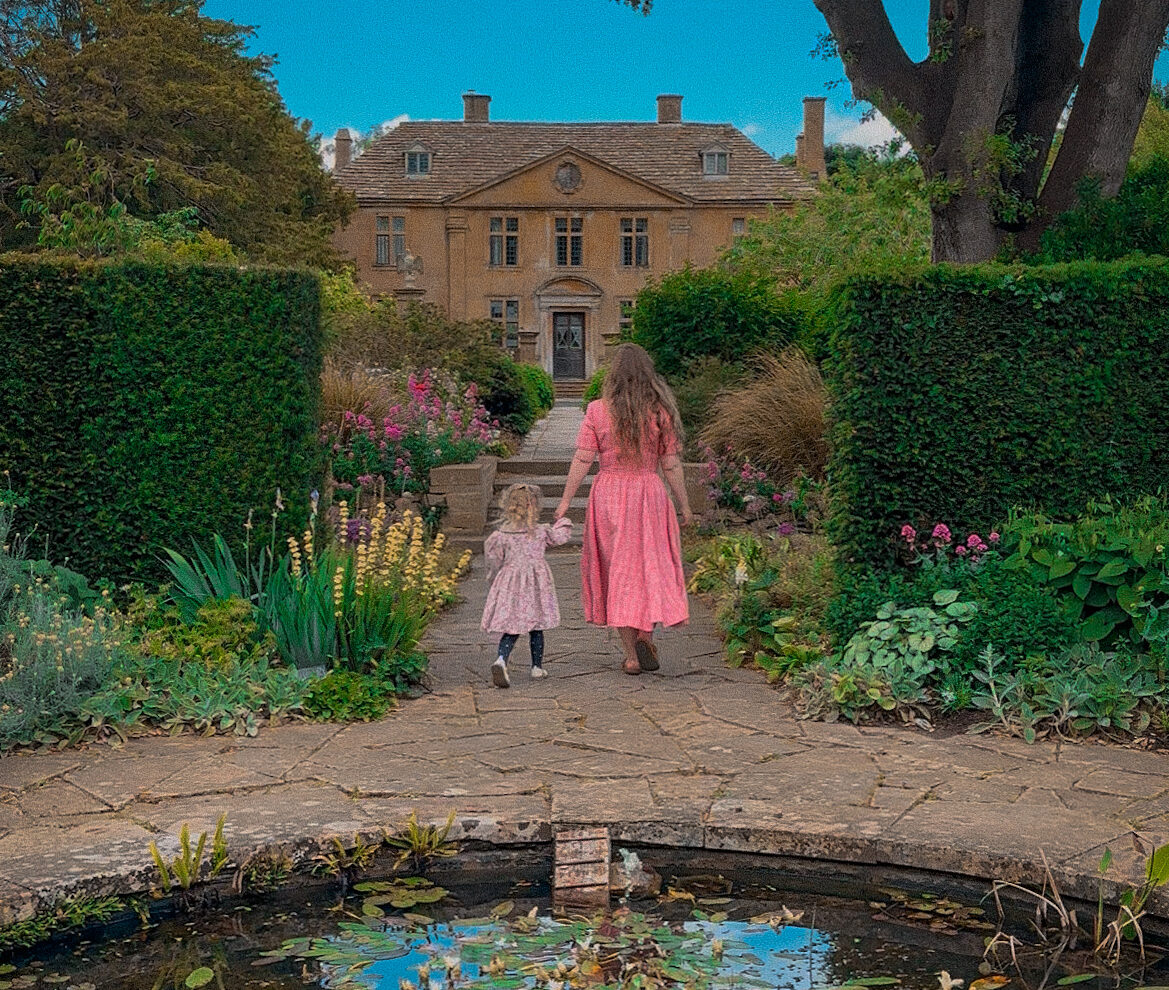
When I fell pregnant in 2022, I made a promise to myself and my husband that my daughter would grow up with the same closeness to the natural world that we both have. Three years on, I’m proud to say she still doesn’t own an iPad, and, truthfully, I’m not even sure she knows what one is! She understands phones and televisions, of course, but screen time in our home is an occasional treat rather than an everyday habit. While it would undoubtedly be easier at times to switch on the television for a few moments of peace, it has never quite felt right to me. Instead, she is naturally drawn outdoors, to soil, seeds and running to cuddle the chickens in the garden.
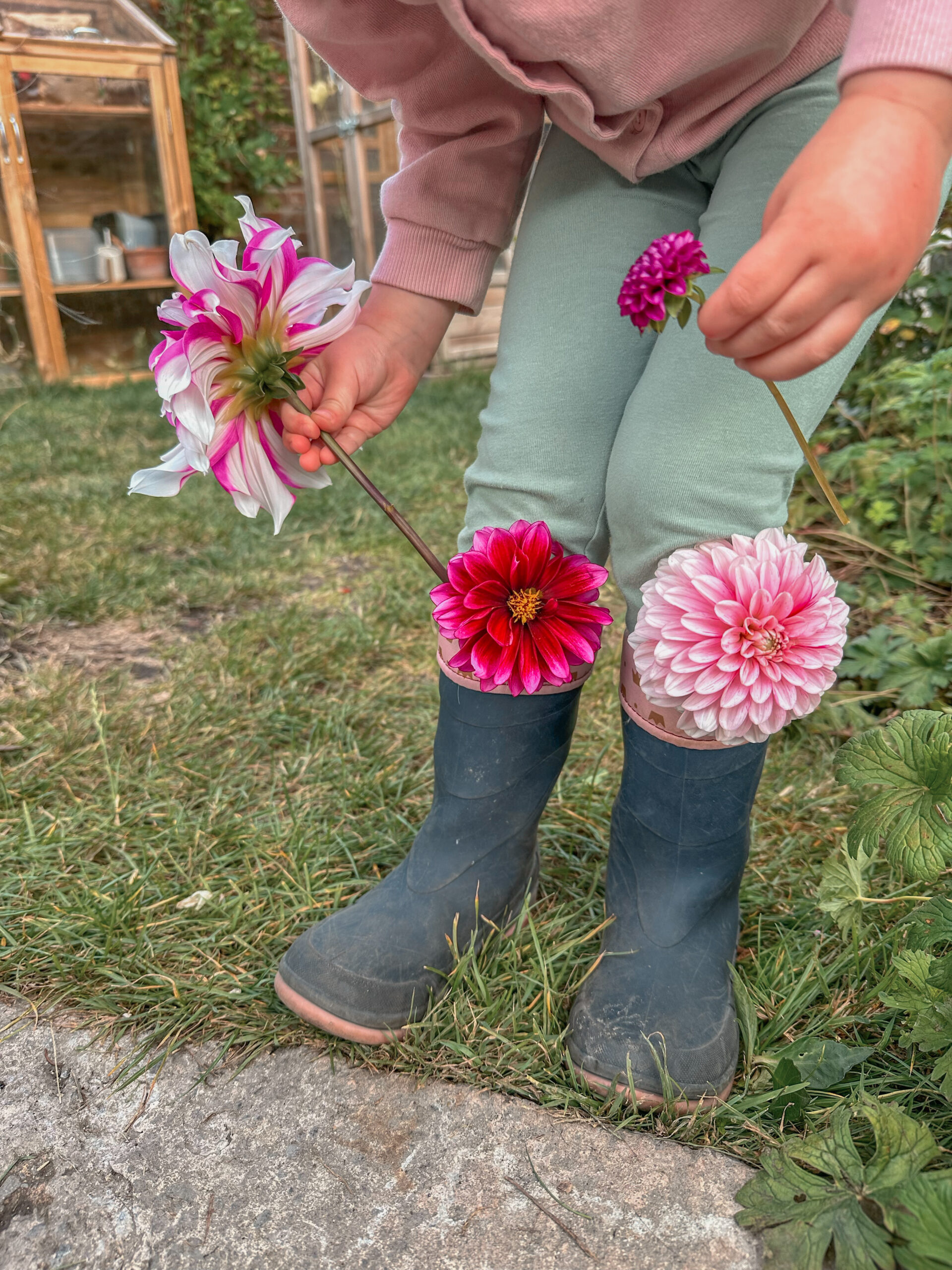
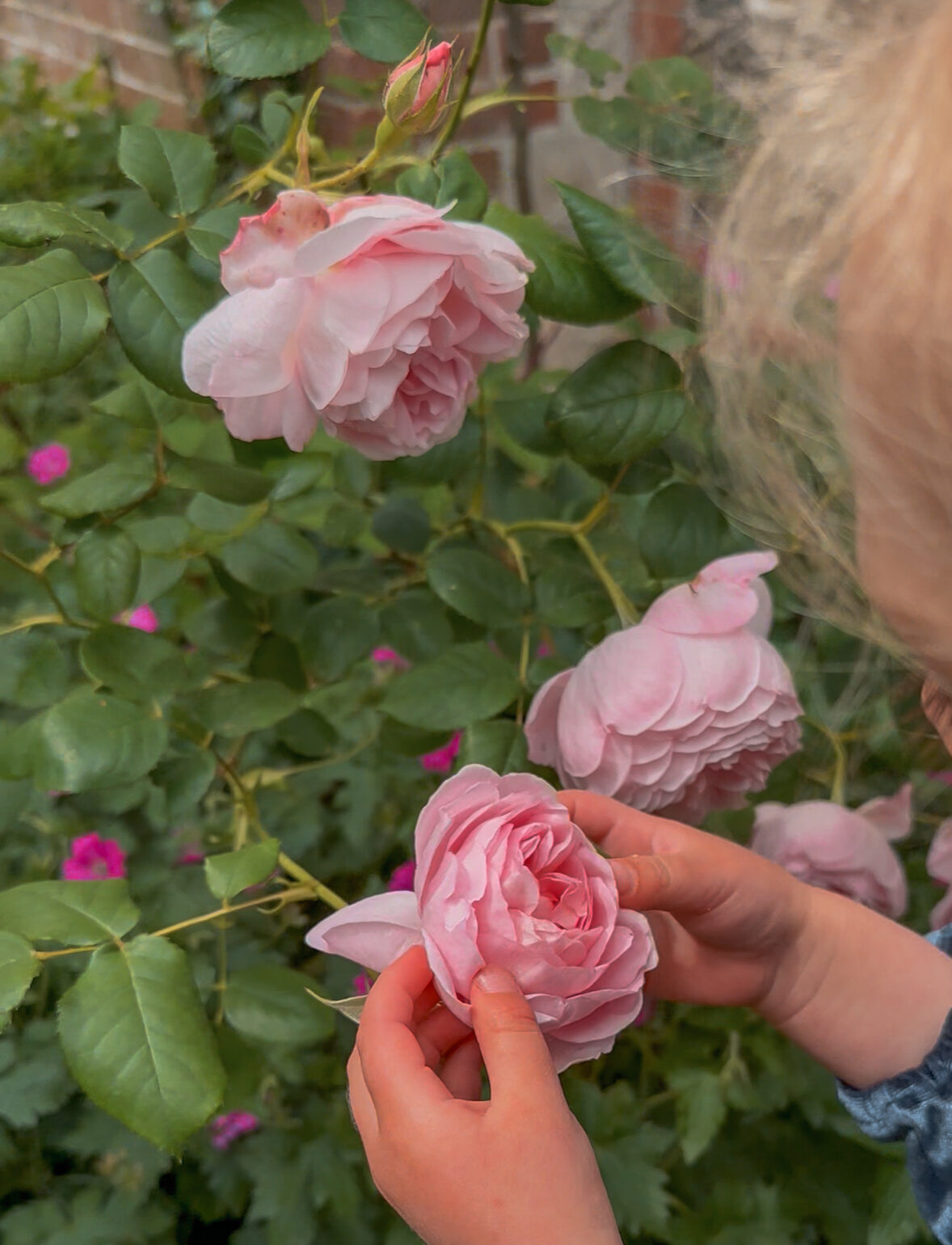
She has developed a genuine respect for gardens and an understanding of them I didn’t think possible at the age of three. On a dark, rain-soaked day in January, she stood beside me, joyfully muddy from head to toe, helping to plant over 200 ranunculus corms laughing and telling me they looked like spiders (which they do). She often brings me insects cupped carefully in her hands, bits of leaf or twig she’s found on the floor, eager to show me her latest discovery. Already, she knows the names of many flowers and plants, and can tell the difference between berries and leaves growing in the garden and on nearby trees.
What I love most about spending time outside is how accessible it is. Nature asks very little of us. Regardless of age, health, or stage of life, there is always a way to enjoy it, whether that’s sitting quietly with a cup of tea, stretching out on a sun lounger, or, like me on good days, digging deep and creating a sanctuary from the ground up. The garden offers space to pause, to breathe, and to feel grounded.
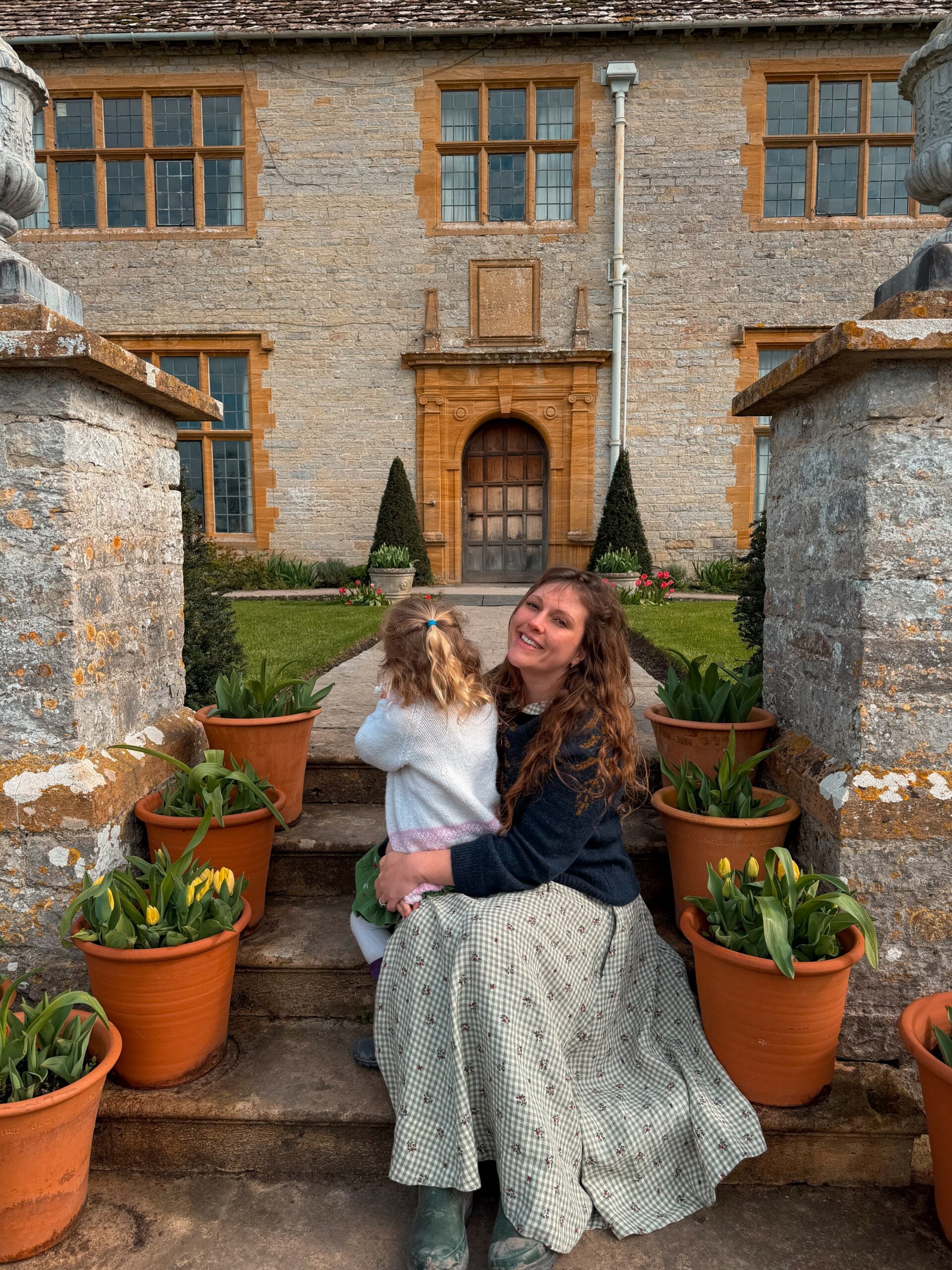
As I shared last year with the National Garden Scheme, I live with Ehlers-Danlos syndrome, meaning my health can be unpredictable. While I may appear well on the outside, there are days full of pain and physical limitations. Yet even then, the pull of the garden remains. Sometimes that means pottering gently at home; at other times, it means visiting other people’s gardens through the National Garden Scheme. These small adventures and the people we meet add joy to my day and I was out at an National Garden Scheme garden on the first of January exploring snowdrops and hellebores with my daughter, mother and mother-in-law.
Being able to pass this joy on to my daughter at such a young age feels deeply important to me. It would be easy to retreat indoors on difficult days, but choosing instead to step outside, to explore and observe, has been transformative for all of us. I’m endlessly curious to see whether she continues to follow this path as she grows, with her natural love for wildlife, animals and the living world around her.
I hope that by sharing my experience, I might encourage other parents, grandparents and carers to do the same. You don’t need a large garden, even a small balcony can have magic. There is something joyful about seeing those muddy little hands, daisy chains, and imagining fairies and pixies hidden in the undergrowth that come with taking a child outside.
And, if you’re visiting a National Garden Scheme garden, there’s the added bonus that children are free of charge in most of them!