


Little Gate Flowers: A haven for social change and inclusion
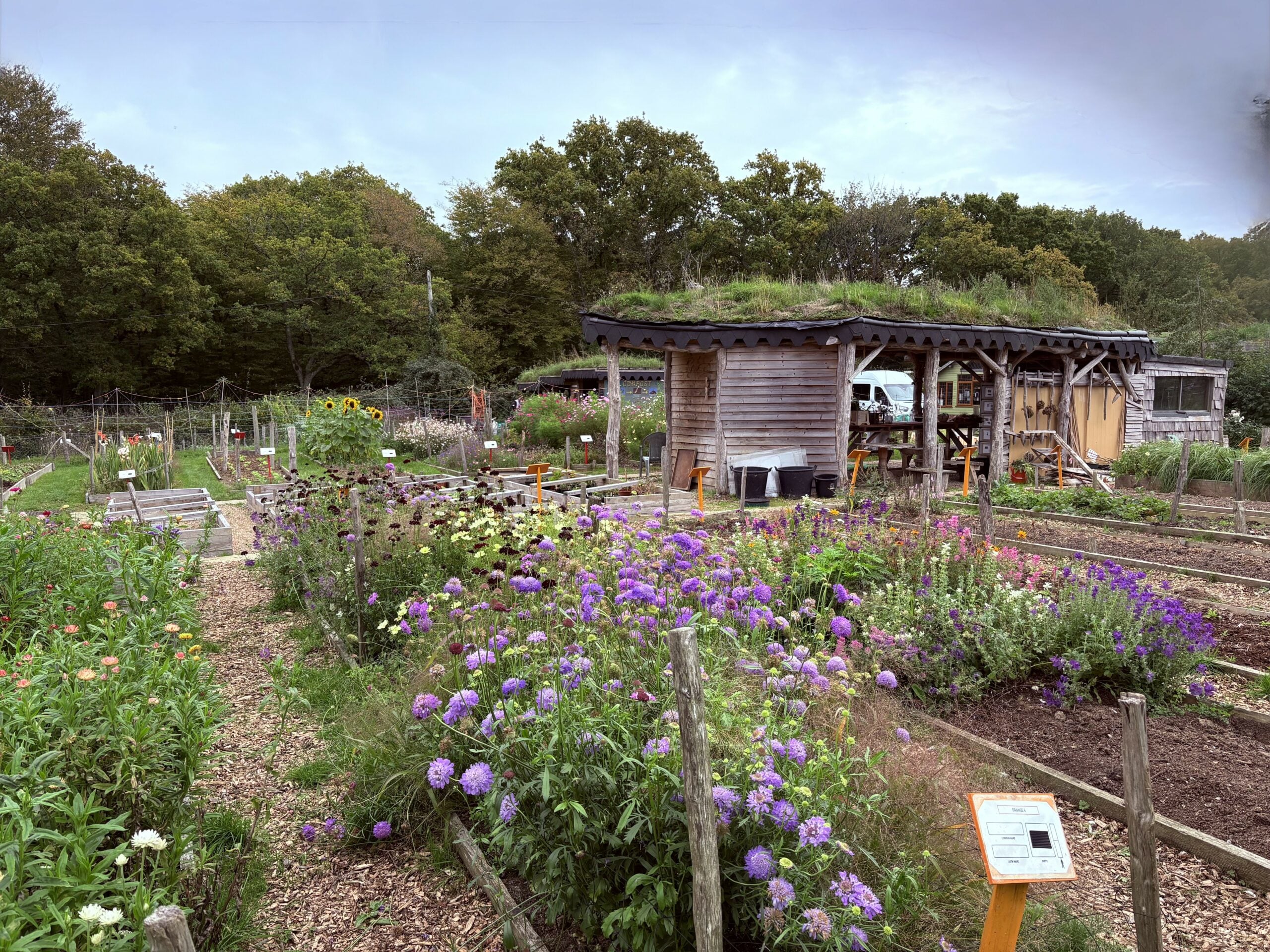
Nestled in Beckley Woods near Rye, Little Gate Farm is a charity which supports autistic and learning-disabled adults as they build skills for paid employment. It is a place where people are encouraged to learn at their own pace and grow in confidence through practical experience.
For many trainees, arriving at the farm each morning marks a meaningful shift in routine and purpose. Minibuses bring them from surrounding communities to spend the day outdoors, working in the woodland, caring for animals, or tending the cut flower garden. These tasks provide goals and visible results, helping trainees understand expectations and take pride in what they achieve.
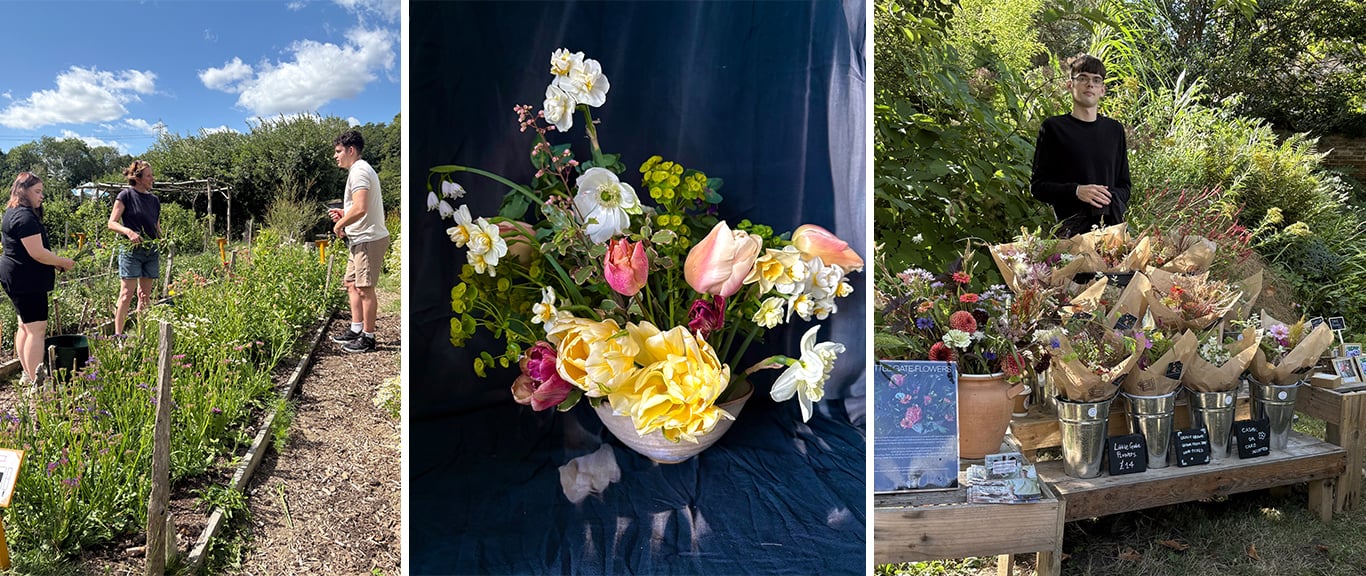
Under the guidance of garden lead Hannah Whitham and the team, the cut flower garden is developing into both a productive growing space and a supportive training environment. Trainees are involved in every stage of the growing process and work together as part of a team. The focus is on building practical skills that transfer beyond the garden — timekeeping, communication, reliability, and independent working. Hannah’s approach centres on inclusion and ownership.
“I want trainees to feel a sense of ownership and pride within the garden,” she explains. “The garden is a safe place to try things, to challenge yourself, socialise and to enjoy being in nature. Yes, things can go wrong, but these challenges mean we work on solutions to build resilience and understanding. The trainees are learning and so am I! This reaps rewards, none better than a sense of achievement.”
-
- Flower growers at Little Gate Farm, Rye
Hannah is open about the realities of the work despite the beautiful location the environment brings its own demands. “We are working with trainees to embrace gardening, and we adapt tasks so everyone can take part and make progress.” Trainees are not simply learning about work – they are contributing to something real and shared.
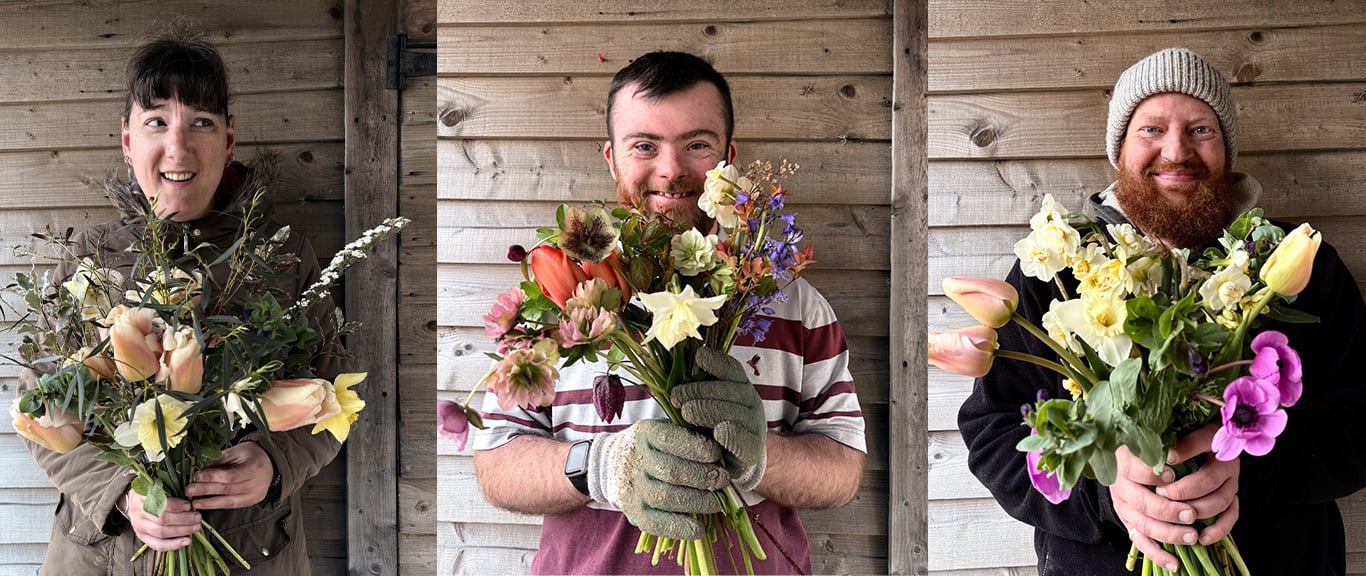
The garden also offers tangible opportunities for progression. Through Little Gate Flowers, the farm’s social enterprise, some trainees take on additional responsibility, and a number move into paid roles within the enterprise itself: flower pickers such as Matilda, who dreams of being a florist, or George who has gained valuable work experience by running one of our flower stalls. These opportunities help bridge the gap between supported learning and the wider workplace.
“We’re supported by wonderful local businesses who sell our flowers in their cafés, and we’re also welcomed by organisations such as Great Dixter and Alexandra Glasshouse in Hastings, who host us at their plant fairs, where we run flower stalls — all of which help us build meaningful connections across the community.”
The planting continues to evolve, with a mix of annuals, biennials, and perennials.
“Who can resist all the amazing varieties out there? I try to control my urges to buy seed but it’s so exciting to see what we can grow and how they will work as cut flowers.”
This year marks the first time the garden will open to visitors through the National Garden Scheme. Guests will be able to explore the garden, purchase flowers grown on site, and enjoy a pop-up café run by trainees. It is an opportunity to see a space shaped not only by careful planting, but by the effort and determination of the people who care for it.
At Little Gate Farm, gardening is not presented as an easy fix. Instead, it offers something meaningful: a place to learn practical skills, face challenges, and build confidence step by step – with growth visible not just in the flowers, but in the trainees themselves.
Little Gate Flowers opens on Thursday 23rd July. Pre-booking is essential, click here for more details and to book
To find out more about Little Gate Flowers head to their website
http://www.littlegate.org.uk and follow them on instagram @littlegateflowers
This article first appeared in the 2026 edition of The Little Yellow Book of Gardens and Health – you can read it here