


The modern medicine that comes from snowdrops
by Professor John Newton
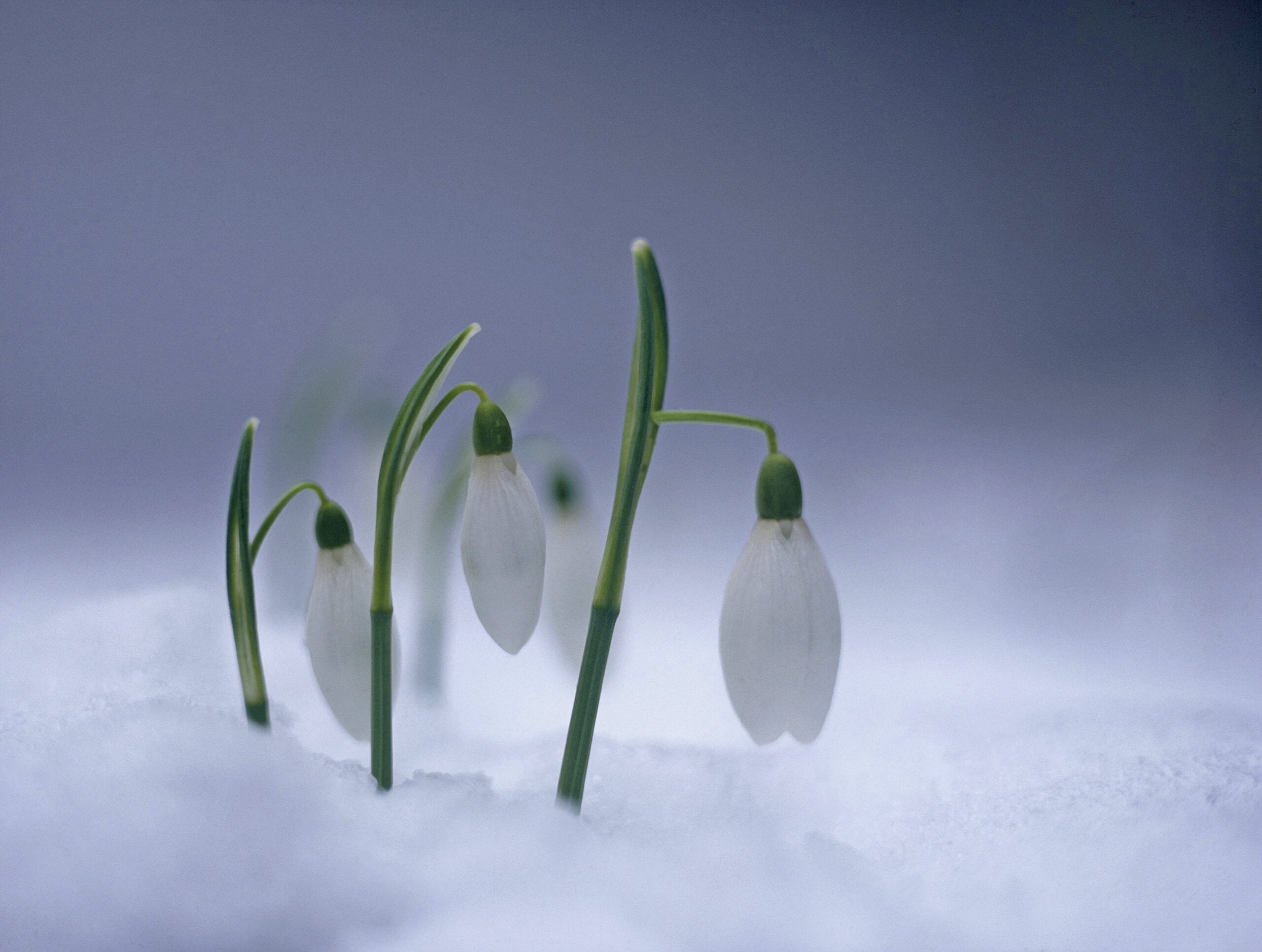
The humble but beautiful snowdrop Galanthus nivalis is also poisonous. Eating a snowdrop or two by mistake causes nausea and vomiting and can slow the heart. Plants such as aconites, poppies and foxgloves often produce toxic chemicals to prevent them being eaten by herbivores. Those chemicals also sometimes turn out to have medicinal properties which we can exploit. Along with other members of the amaryllis family, snowdrops contain a chemical called galanthamine which inhibits the breakdown of acetylcholine in the brain. This can improve the brain’s function in people living with dementia and a prescription drug named “galantamine” is widely used in the UK and worldwide for mild to moderate Alzheimer’s disease.
Galanthamine was first discovered in G. nivalis in 1947 by Russian scientists although they also used G. woronowii (a form native to the Caucasus) to determine its chemical structure. It works by blocking the enzyme that breaks down acetylcholine, one of the chemical messengers that allow signals to pass around between nerve cells as we learn, think and move. First used to treat paralytic conditions such as polio, work on galantamine for dementia began in the 1990s and it was only licensed for that use in 1997 in Europe and 2001 in the USA. Galantamine has only a modest effect in Alzheimer’s disease unfortunately but it can improve learning and memory and help concentration and attention.
Although galanthamine can now be synthesised, it is still more economical for drug companies to extract it from the bulbs of daffodils which are widely grown for this purpose in places like Cornwall and Southern Ireland. In 2024 a new drug called benzgalantamine has been licensed which is also produced from daffodils and has similar benefits to galantamine but apparently with fewer side effects.
Snowdrops have been cultivated in England since the 16th Century mainly in monastery gardens possibly brought over by visiting Italian monks. The historical medicinal uses of snowdrops are hard to pin down because of the variety of names that were used for them in the past. Snowdrops, daffodils and Leucojum were generally lumped together as “narcissi”. In the 17th Century, snowdrops were called variously Narcisso-leucoium, Viola alba (or white bulbous violets), and had the common name “summer fools” because they came into flower too early! The first authoritative mention of “snowdrop” is in a 1633 edition of Gerard’s Herbal. It was only in 1753 that Linnaeus separates snowdrops from Leucojum with the name Galanthus nivalis (Gala being Greek for milk and nivalis Latin for snowy).
Although the old herbals attached no medicinal value to snowdrops, and they are not mentioned in Culpeper (1649), there is plenty of folklore about their medicinal uses. The oldest and perhaps most romantic story goes back to Homer and ancient Greece. In Homer’s epic poem, Odysseus and his men were poisoned by the sorceress Circe, possibly with a plant from the solanaceae family such as mandrake or Atropa belladonna, such that the men believed they were pigs. Odysseus was saved because he had been given a plant with a “flower like milk” which cleared his mind. It is tempting to believe that this was an early use of the snowdrop as medicine.
Professor John Newton is a Trustee of the National Garden Scheme, a public health physician and epidemiologist working part time as Professor of Public Health and Epidemiology at the University of Exeter. He is also an Honorary Professor at the University of Manchester and Garden Fellow at the Royal College of Physicians in London.
See also Dr Susan Burge’s chapter on snowdrops in Modern Medicines from Plants, CRC Press, 2023. Available from the Royal College of Physicians bookshop Modern medicines from plants – RCP London
For more snowdrop content and gardens to visit in 2026 click here
Lead image Val Corbett