


Where Community Grows Together
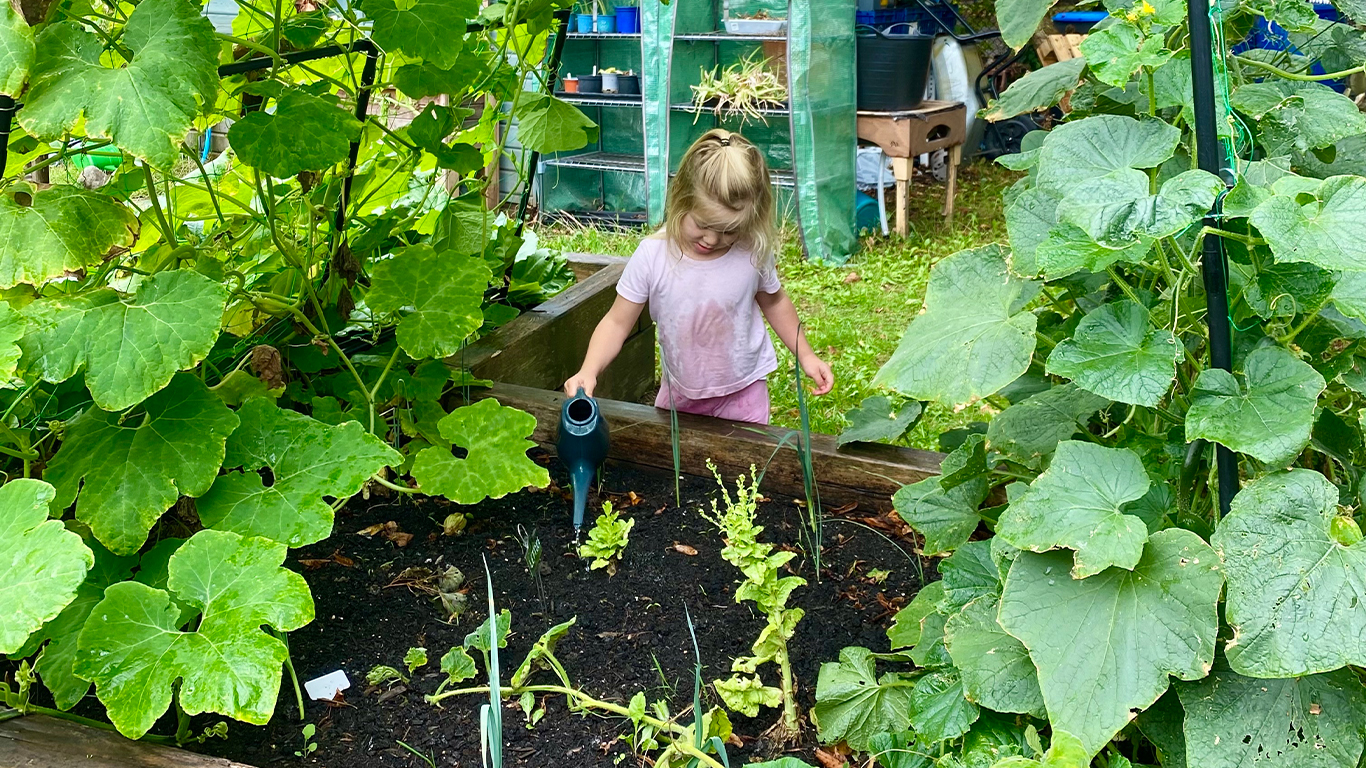
Grangetown Kitchen Garden in Cardiff is, at heart, a home garden. Run by volunteers and embedded in the local, multicultural community it promotes wellbeing and sustainable living. The team told us more …
Nothing here is done on a grand scale, and that is intentional. Raised beds, compost bins, children moving between paths, and volunteers working side by side all shape the garden. It shows that growing food and living sustainably can begin in ordinary spaces, with simple practices that anyone can try at home.
The garden is cared for by volunteers of many ages and backgrounds, each bringing their own knowledge, experience and curiosity. During the school holidays the space fills with children, bringing energy, noise and plenty of questions. Gardens here are as much about learning as they are about growing. Skills are shared through conversation and doing rather than formal teaching. Someone might arrive unsure how to plant a seed and leave feeling confident enough to start growing on a windowsill or in a small patch of soil at home.
Our growing methods reflect a wish to work with nature rather than against it. The site follows no dig principles, using raised beds and hügelkultur systems to build healthy soil while keeping disturbance to a minimum. Composting sits at the centre of daily life in the garden, from traditional heaps to hot bin composting, turning waste into nourishment for future crops. These methods are kept visible and practical so visitors can see how sustainable approaches fit easily into everyday home gardening.
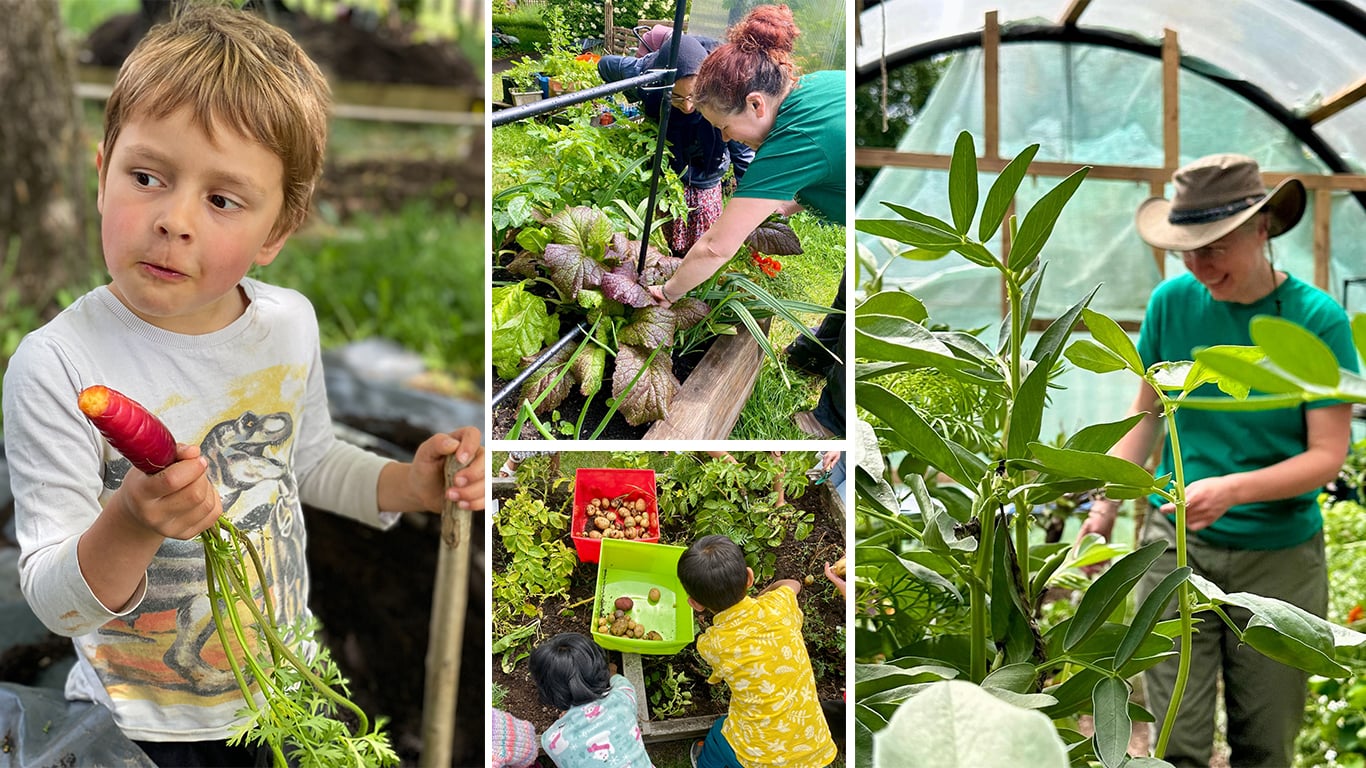
Much of our growing focuses on salads and fresh produce used within Grangetown Kitchen Gardens itself. On Wednesdays, alongside the garden, we run a community market offering affordable food through surplus produce from FareShare, supermarket donations, and carefully sourced items, with fifteen items available to purchase for five pounds. The café opens on the same day, serving simple nourishing food such as homemade soup, toasties and salad, often using ingredients grown in the garden. Together, the garden, market and café form one connected space where food is grown, shared and eaten within the community.
Above all, the garden is a place of wellbeing. People come for many different reasons, to learn new skills, to spend time outdoors, to meet others, or simply to have somewhere calm to be. Much of the work is made up of small, repeated tasks, weeding, watering, sowing and the endless task of keeping slugs at bay. These rhythms of care offer time to slow down, focus, and feel part of something growing. The community itself is diverse, and conversations, shared meals and time spent working together allow people from different backgrounds to connect in simple, everyday ways.
Opening the garden through the National Garden Scheme gives us a chance to share this approach more widely. We hope visitors leave not only inspired but reassured that sustainable living does not need to be perfect or large in scale. It can begin with a raised bed, a compost bin, or a handful of salad seeds, grown with care and shared with others.
VISIT: 19 September when the garden opens for the National Garden Scheme
CLICK HERE FOR DETAILS
This article first appeared in the 2026 edition of The Little Yellow Book of Gardens and Health – you can read it here